Ideas are spread across loose pages
Ideas are spread across loose pages: a task-based checklist covering reference editions, display space, project notes, item fit, setup and purchase checks.
Read the checklistWork through a specific myth-inspired story projects task: record the constraints, compare the options, then choose what the job actually needs.
Ideas are spread across loose pages: a task-based checklist covering reference editions, display space, project notes, item fit, setup and purchase checks.
Read the checklistA writing desk has distracting clutter: a task-based checklist covering reference editions, display space, project notes, item fit, setup and purchase checks.
Read the checklistReference files lack a common location: a task-based checklist covering reference editions, display space, project notes, item fit, setup and purchase checks.
Read the checklistAncient stories. Contemporary imagination.
Read myth-inspired art through its sources, shapes, and details, with care for the difference between tradition and a new interpretation.

THE MOTIF NOTEBOOK
Use these composition prompts to study an image. They do not identify a deity, creature or historical meaning.
THE COLLECTION
These collections are being planned and are not on sale. Images are concept artwork; specifications and rights remain to be confirmed.
Myth-inspired print study pairing a visual reference with its source, then comparing crop, border and the notes a viewer may need.
Object concept examining a motif’s shape and placement alongside sourced reading. An interpretation is kept separate from a historical claim.
Creature-object concept comparing silhouette, posture and the amount of detail that remains legible at display size.
Reading-notebook proposal with separate places for the source, the motif you noticed and your own interpretation.
IN THE JOURNAL
A place to study myth-inspired images without turning visual resemblance into a historical claim. Keep the source in view, describe what is present, and give an artist's interpretation its own space.
Myth on ceramics
Use several views of one vessel to understand how a motif occupies a curved surface.
Read the guide ↗BUYING GUIDE
Compare scope, narration, references and physical format instead of choosing by a broad mythology label.
Read the guide ↗FROM THE ARCHIVE


SANJIESAN ORIGINAL UNIVERSE
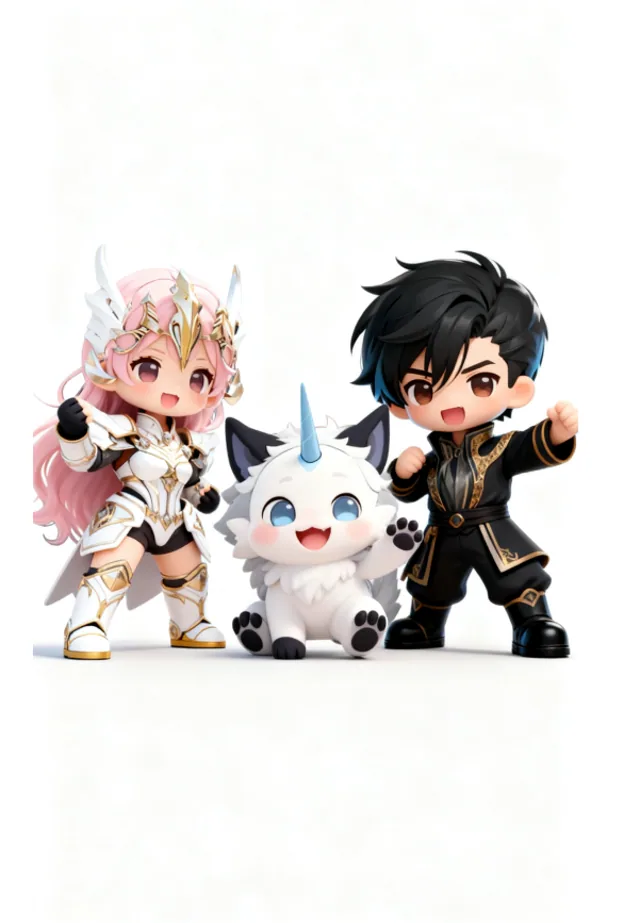
Explore the official character, worldbuilding and visual archives. Character identities remain distinct from alternate artwork; concept art does not establish merchandise rights.
BEFORE YOU BEGIN
No. Record the image's title and source, then compare its documented description. Colour may be an artist's choice or a feature of that version. If the identification remains uncertain, describe the visible form without assigning a name.
No. A historical object, a modern illustration, and a fictional-world character have different contexts. Keep the supplied date, attribution, and description, and label a contemporary interpretation as such.
A reference is not permission. Check the rights and terms for the specific image and use. For Sanjiesan material, keep established world and identity records intact and use the business enquiry route for a proposed collaboration.
SANJIESAN · FURTHER READING
Mythic imagery can inspire a scene, a concept or a collectible, but those are different records. This SANJIESAN guide explains the boundary between an original visual world and a verified physical product without treating artwork as evidence of manufacture.
Read the art-and-object guide ↗Start with the slowest or most awkward step in myth-inspired story projects. Check what existing items can do, then buy the item with a clearly defined job before adding accessories.
Keep reference editions, display space, project notes in one checklist. Add usable dimensions, existing device versions and the intended location. Resolve unknowns from instructions rather than estimating size from photographs.
Choose by delivery address. Each entry uses the corresponding Amazon marketplace link. Check currency, seller, delivery and returns on the selected marketplace.
These are item-by-item shopping plans rather than a single bundled SKU. Buy only the parts you need; inclusion in a plan does not establish compatibility or imply that fittings are included.
Model searches help compare a named product; category entries let you choose specifications. A result does not establish the seller, availability or lowest price. Confirm the variant before ordering.
Keep packaging and order records, follow the instructions and repeat the original task. Check access, circulation and unnecessary steps. Revisit placement and specifications before buying more.
LET’S MAKE WHAT COMES NEXT
For suppliers, creators and brands. Tell us what you have in mind and where you work.

